Understanding Spinal Decompression: A Comprehensive Guide for Ideal Back Health
Spinal decompression is an essential therapeutic strategy targeted at improving back health. It targets pressure alleviation on spinal discs and nerves, promoting much better alignment and minimizing discomfort. Different approaches exist, each offering distinct demands. Understanding who can gain from these treatments is very important. As back concerns come to be significantly common, discovering the subtleties of spinal decompression could provide useful understandings right into maintaining a healthy spine. What details methods and advantages wait for those ready to discover more?
What Is Spinal Decompression?
Spinal decompression refers to a healing technique intended at minimizing pressure on the spinal discs and bordering structures. This method entails the application of regulated traction to the spine, which aids to create room in between the vertebrae. By doing so, it can alleviate nerve compression and promote far better spinal positioning.
Spinal decompression can be carried out utilizing numerous approaches, including mechanical gadgets, hands-on control, or specialized tables developed to assist in the process - Chiropractor. The method intends to restore the all-natural curvature of the spine while improving flow to the affected areas, which might add to healing
Clients looking for spinal decompression usually experience signs such as back pain, sciatic nerve pain, or herniated discs. This approach is generally taken into consideration a non-invasive choice for those exploring options to surgical treatment or medicine. Recognizing the technicians and objectives of spinal decompression is crucial for evaluating its appropriateness as a therapeutic method.
Advantages of Spinal Decompression

Additionally, spinal decompression may improve position and spinal placement, adding to overall bone and joint health. People typically report increased movement and flexibility, enabling a more active way of life. By minimizing nerve compression, spinal decompression can decrease the risk of future injuries and persistent conditions, boosting lasting well-being.
Techniques of Spinal Decompression
Decompression treatment incorporates numerous techniques designed to relieve pressure on the spine and advertise healing. One typical approach is spinal decompression treatment, which utilizes a mechanized traction table to gently extend the spine. This approach intends to create adverse stress within the discs, facilitating the retraction of protruding or herniated discs.
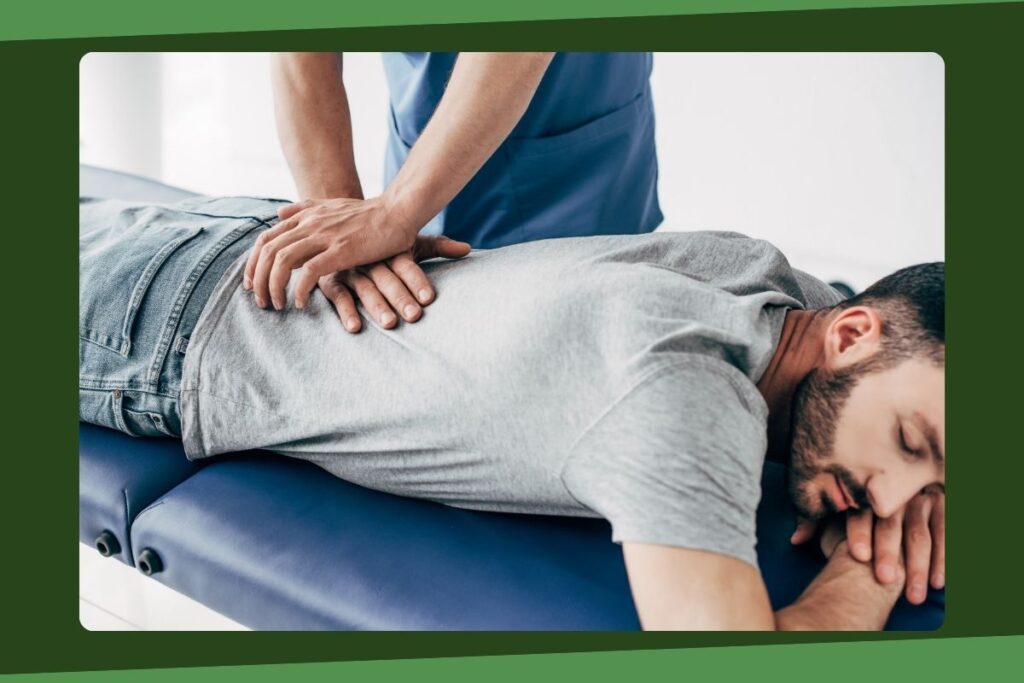
An additional technique is hands-on spinal decompression, where qualified experts use hands-on techniques to by hand minimize and readjust the spine stress. Chiropractic modifications likewise work as a form of spinal decompression, utilizing particular controls to recover proper positioning.
That Can Gain From Spinal Decompression?
That can genuinely gain from spinal my explanation decompression treatment? This treatment is particularly useful for individuals dealing with chronic neck and back pain, herniated discs, sciatic nerve pain, and degenerative disc illness - Top Chiropractor. Patients experiencing nerve compression, which can cause feeling numb or weak point in the limbs, might additionally locate relief via this non-surgical treatment. Furthermore, those who have actually not responded well to traditional discomfort administration techniques or physical therapy commonly transform to spinal decompression as a sensible choice. Furthermore, individuals seeking to enhance their general spinal health and improve movement can profit from this therapy, as it aims to relieve stress on the vertebrae and spinal discs. It is important, nevertheless, for prospective prospects to seek advice from health care professionals to identify if spinal decompression is ideal for their specific problems and demands. This customized approach guarantees that the therapy is used efficiently for the ideal outcomes and boosted lifestyle
Tips for Keeping a Healthy Spine
Maintaining a healthy spine is essential for general health, as it supports the body's framework and function. To advertise spinal health, individuals must prioritize routine exercise, focusing on exercises that enhance core muscle mass, improve versatility, and boost pose. Integrating tasks such as yoga exercise, swimming, or Pilates can be particularly valuable.
Additionally, maintaining a healthy weight reduces undue stress and anxiety on the spine. Ergonomic changes in the office and proper lifting methods can also avoid injuries. It is important to exercise good pose while resting, standing, and resting, ensuring that the spine maintains its all-natural curvature.
Routine check-ups with health care professionals can aid in recognizing prospective concerns at an early stage. Remaining moisturized and taking in a balanced diet regimen rich in nutrients sustains general spinal health. Ultimately, a Continued proactive approach to spine treatment can bring about improved mobility and a far better high quality of life.
Regularly Asked Inquiries
Just how Lengthy Does a Common Spinal Decompression Session Last?
A common spinal decompression session typically view it lasts in between 30 to 45 minutes. Patients typically go through several sessions over numerous weeks, depending on their specific condition and therapy plan established by their doctor.
Are There Any Kind Of Negative Effects of Spinal Decompression Treatment?
Spinal decompression therapy might cause moderate negative effects, such as temporary pain, muscle mass spasms, or pain. Major complications are uncommon, and the majority of individuals experience alleviation from symptoms after therapy.
Can Spinal Decompression Be Executed at Home?
Spinal decompression can be executed in your home using specialized equipment or strategies, such as inversion tables or extending exercises. Speaking with a medical care expert prior to trying home treatment is recommended to guarantee safety and effectiveness.
Just How Many Sessions Are Normally Required for Efficient Results?
Typically, individuals need in between 15 to 30 sessions of spinal decompression therapy for effective outcomes. The exact number might vary based on personal problems, treatment objectives, and the seriousness of back concerns experienced.
What Certifications Should a Specialist Have for Spinal Decompression?
An expert for spinal decompression must have relevant certifications such as an accredited chiropractic specialist or physical specialist accreditation, together with specialized training in spinal decompression techniques to guarantee safe and effective treatment for people.
Spinal decompression refers to a therapeutic strategy intended at easing pressure on the spinal discs and bordering structures. In addition, spinal decompression might enhance position and spinal positioning, adding to overall bone and joint health. One usual technique is spinal decompression therapy, which makes use of a mechanized grip table to carefully stretch the spine. Physical treatment exercises are vital in advertising spinal decompression as they strengthen core muscular tissues, giving far better support for the spine. People seeking to improve their total spinal health and improve wheelchair can benefit from this treatment, as it intends to alleviate stress on the vertebrae and spinal discs.